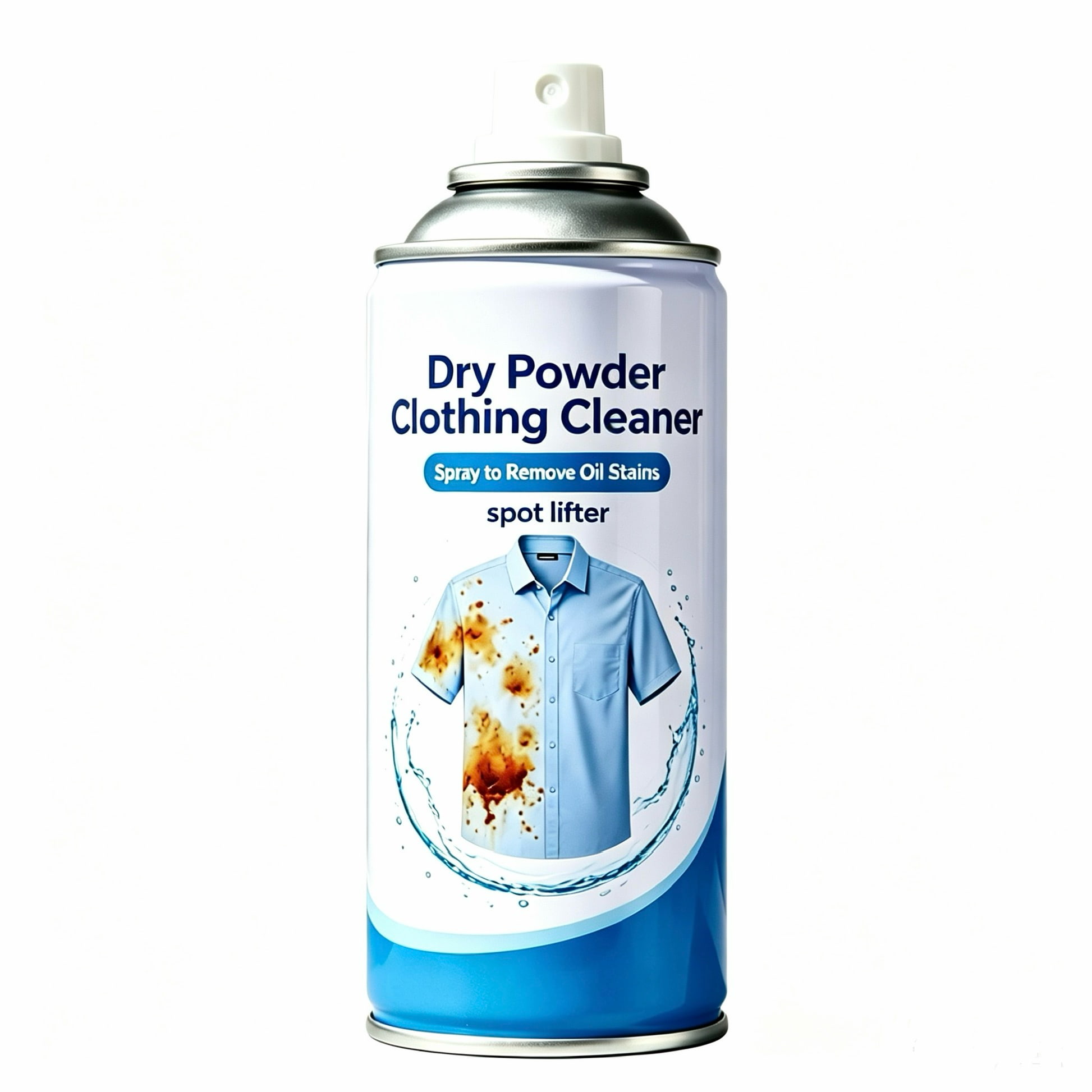
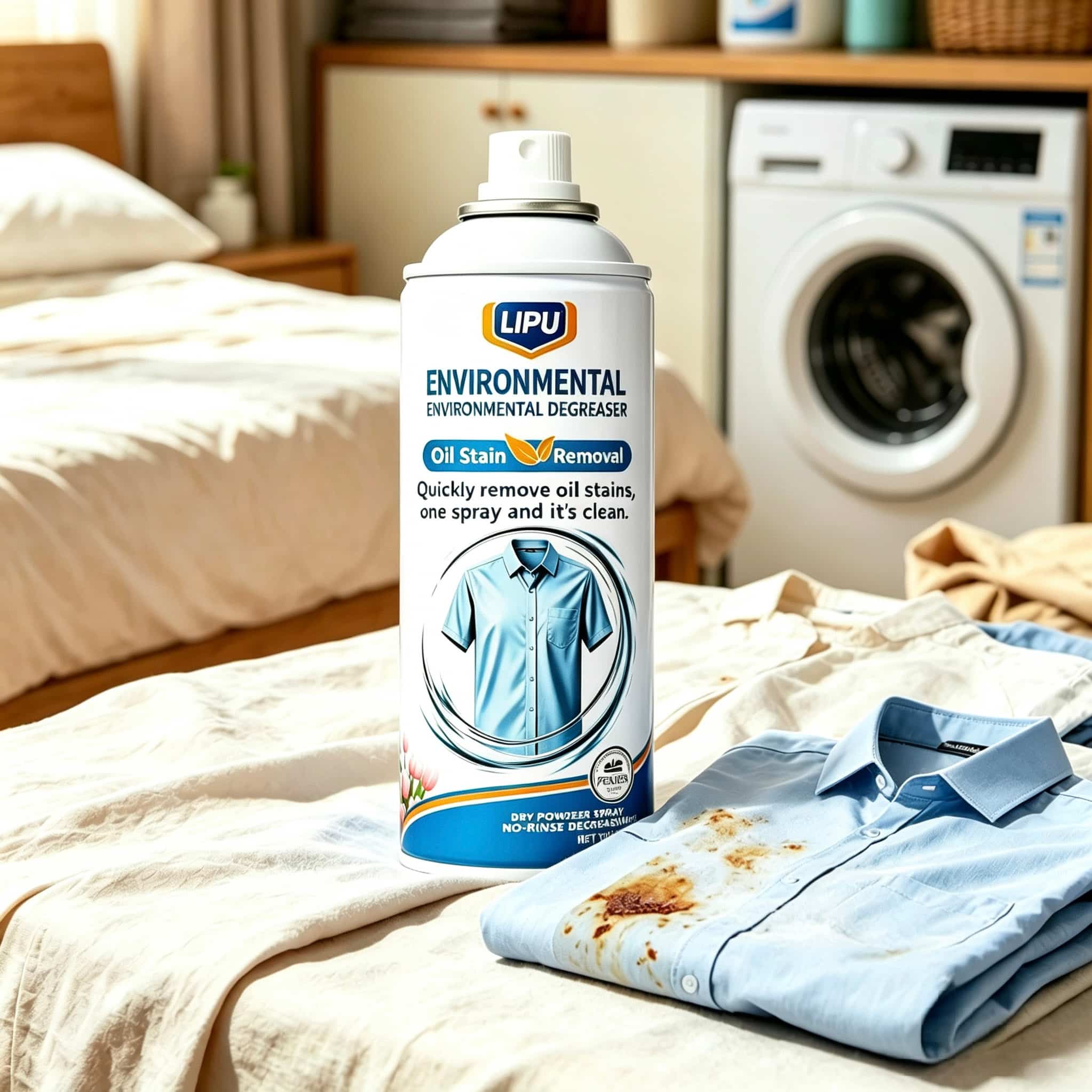
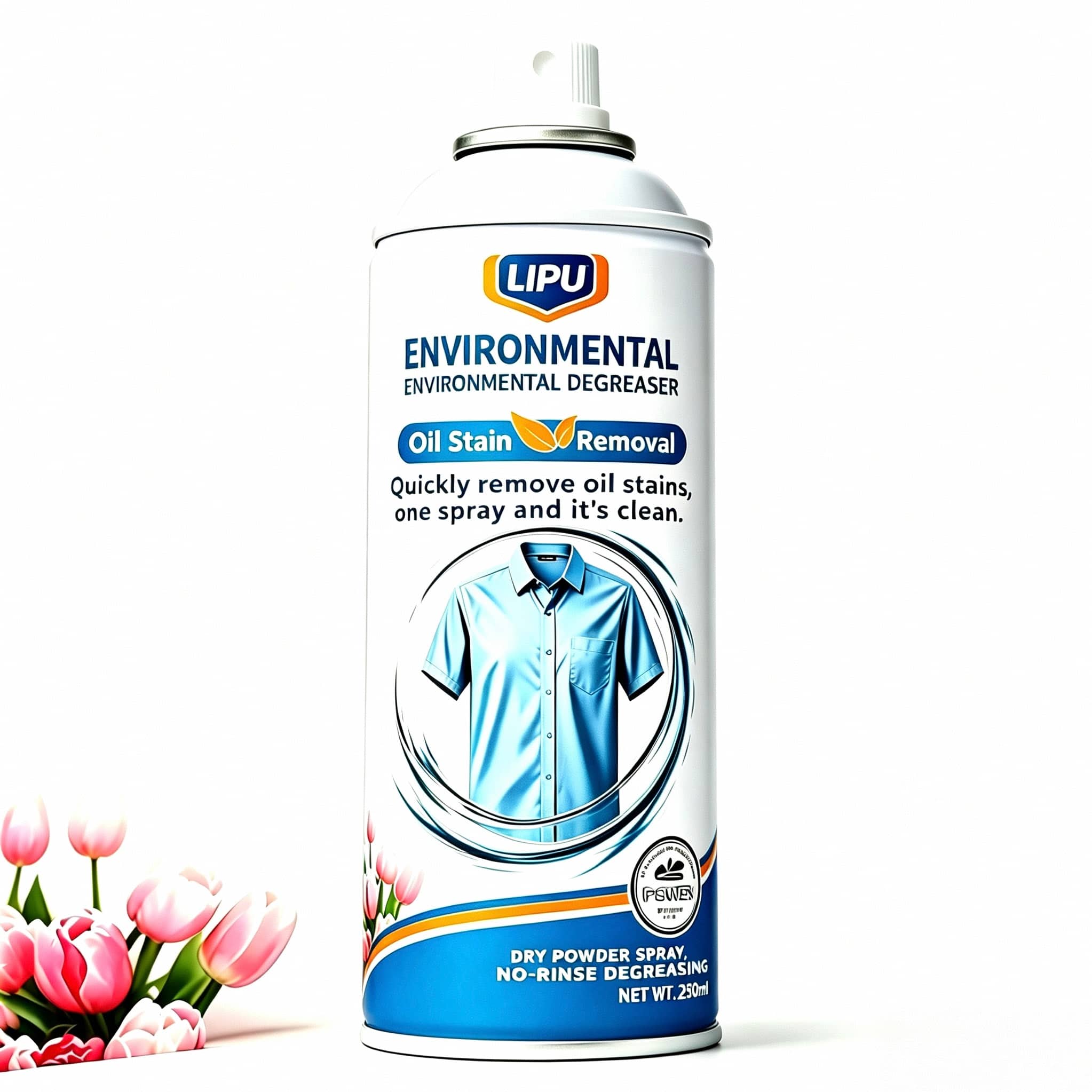
Professional Spotlifter is a high-performance solvent-based aerosol designed for the instant removal of oil, grease, and grime without the need for water. Utilizing "Micro-Powder Absorption" technology, it lifts stains from the deepest fibers and encapsulates them into a fine white powder that can be easily brushed away, leaving zero rings or residue.
Order(MOQ) :
7,500 pcsStandard Size :
250ml (Custom sizes available)Payment :
TT paymentLead Time :
30 days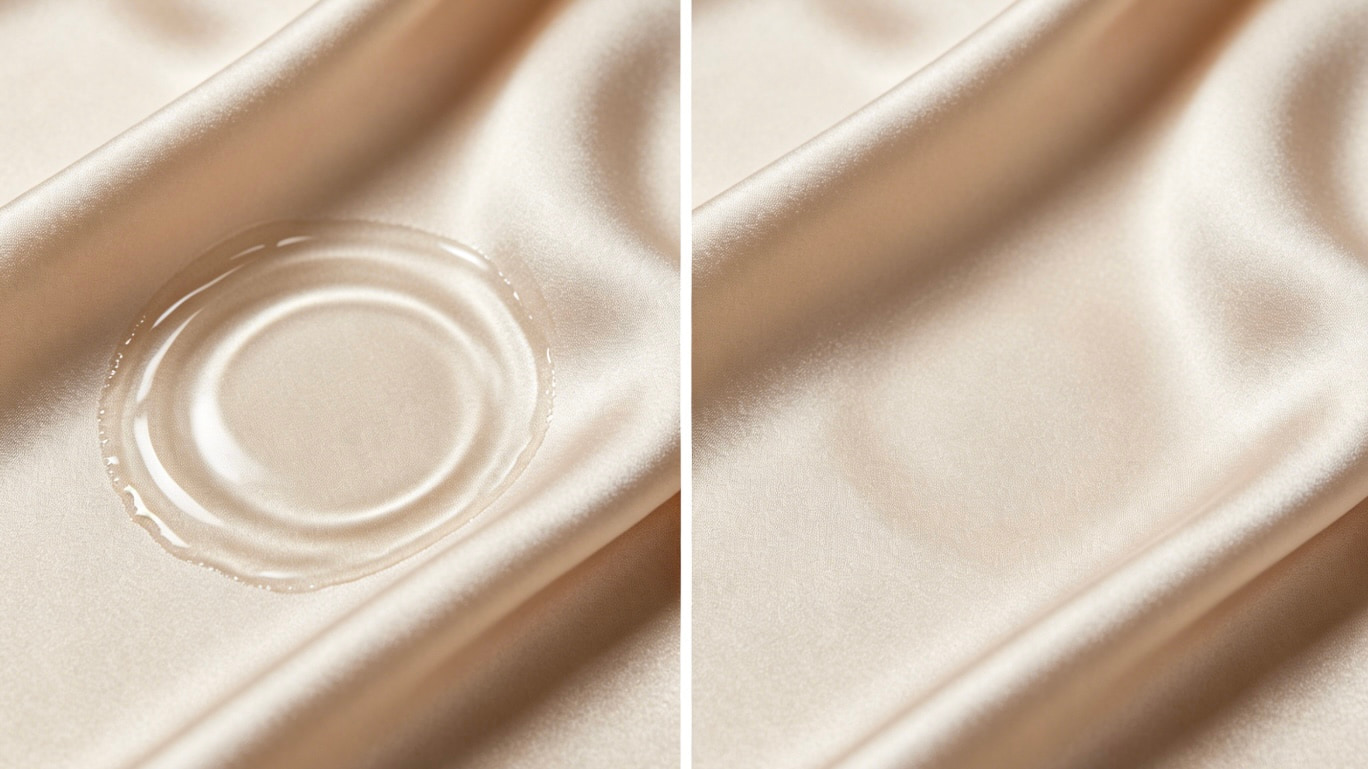
Specifically engineered to evaporate rapidly, preventing the formation of "rings" or halos common with liquid cleaners. Ideal for delicate fabrics where water-based cleaning is impossible.
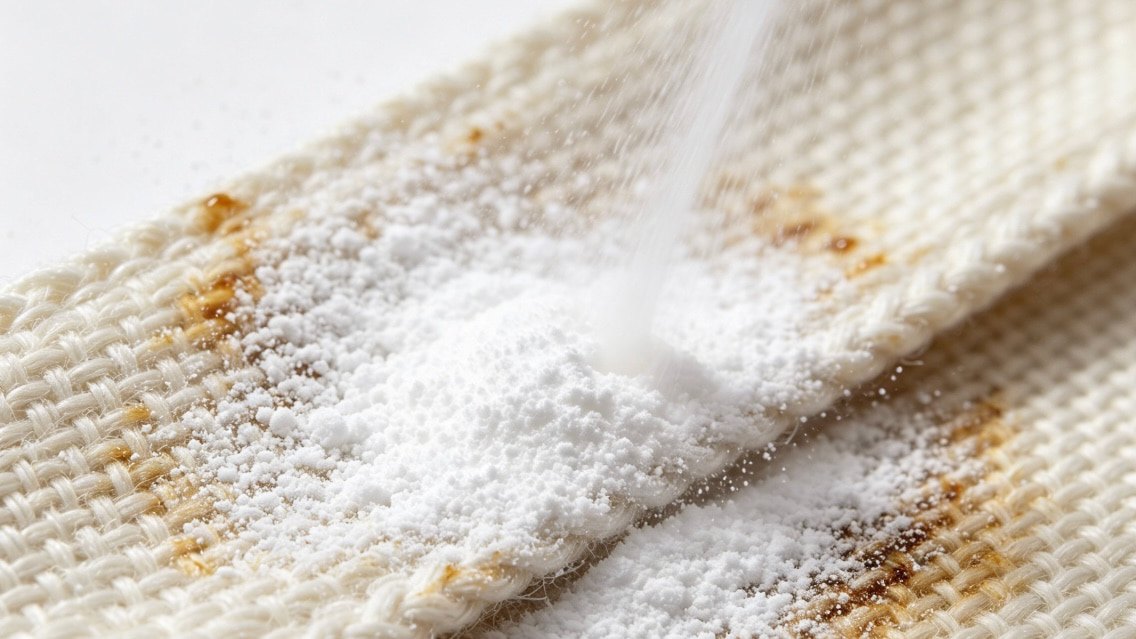
The high-pressure spray penetrates deep into the fabric weave to break down complex oil-based stains, lifting them to the surface for total elimination.
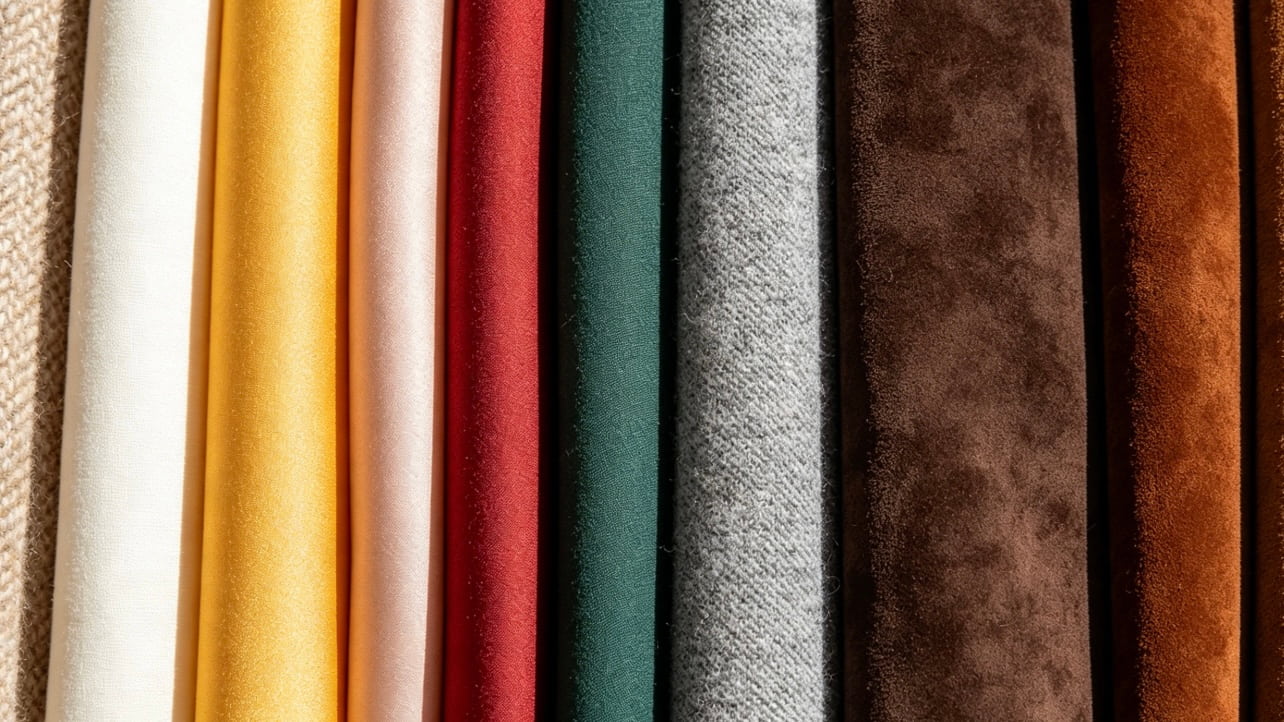
Safe for use on wool, cotton, silk, synthetics, and upholstery. It does not affect fabric color or texture when used as directed.
Application Scenarios

| Garment Industry |
|
Essential for removing sewing machine oil, grease, and chalk marks during the manufacturing and inspection process. |
| Automotive Interior |
|
Quickly lifts food spills, body oils, and grime from fabric seats, headliners, and floor mats without soaking the foam padding. |
| Home & Upholstery |
|
Ideal for "spot cleaning" sofas, curtains, carpets, and expensive neckties that cannot be frequently laundered. |
|
Commercial Hospitality |
|
A rapid-response tool for housekeeping to remove fresh stains from table linens and guest room upholstery. |
Strategic Value for Industrial & Professional Partners
Reduce Manufacturing Rejects
In garment manufacturing, a single oil spot can lead to a rejected item. Our Spotlifter allows for instant, on-line correction during QC, saving thousands of dollars in wasted materials and labor.
Zero-Water Operational Speed
For hotels and upholstery services, waiting for water-based cleaners to dry means downtime. Our dry-cleaning technology allows furniture and linens to be put back into service in under 5 minutes.
Asset Protection for High-Value Textiles
Traditional wet cleaning can damage delicate fibers or cause shrinkage. HKMAYDOR protects the structural integrity of luxury wool, silk, and suedes, extending the lifespan of expensive assets.
Supply Chain Reliability
We provide consistent, industrial-grade formulation with guaranteed stability. Our bulk procurement programs offer significant cost-per-unit advantages for large-scale operations.
FAQ
Q1: Will it leave a white residue forever?
A1: No. The white powder is the carrier that has absorbed the stain. Once it is fully dry, it must be brushed off. If a slight haze remains, a damp cloth or vacuum will remove it.
Q2: Can it remove old, set-in stains?
A2: It is most effective on fresh oil-based stains. For old stains, a second application or light agitation of the wet solvent may be required.
Q3: Is it safe for silk and delicate ties?
A3: Yes, it is a "dry" process. However, we always recommend testing on a small, hidden area to check for colorfastness before full application.
Q4: Does it work on water-based stains like coffee or juice?
A4: Spotlifter is primarily designed for oil and grease. For pure water-based stains, a specialized fabric cleaner or a damp cloth may be more effective.
Q5: How long does the drying process take?
A5: Typically, it takes 3 to 5 minutes for the solvent to evaporate and the powder to form, depending on the ambient temperature and humidity.
Q6: Can it be used on suede or nubuck?
A6: Yes, it is excellent for suede as it lifts oil without flattening the nap. Always brush with a specialized suede brush after the powder has fully dried.
Q7: Does the product leave a strong chemical scent?
A7: The product has a mild solvent scent during application, but it dissipates quickly as the powder dries, leaving the fabric fresh and odor-free.
Q8: Is it safe for automotive upholstery and headliners?
A8: Yes, it is highly effective for car detailing. It removes skin oils and food grease from headliners and seats without leaving water rings.
Q9: What should I do if the powder doesn't brush off easily?
A9: This usually happens if the stain was very heavy or the powder was brushed before it was fully dry. Simply re-spray a light coat, let it dry completely, and brush again.
Q10: Can it be used on large carpets or rugs?
A10: Yes. It is ideal for spot-cleaning oil drips or food spills on carpets. For large areas, we recommend using a vacuum cleaner to remove the dried powder.
Tags :

FLAT/RM B,5/F GAYLORD COMMERCIAL BUILDING 114-118 LOCKHART ROAD,HONGKONG
Be your partner
Be your supporter of rapid business


Copyright © 2026 HONGKONG MAYDOR IMPORT&EXPORT CO,.LTD All Rights Reserved.
|Sitemap |XML |Privacy Policy